Make it make sense
Learn
Your lectures become clear notes, a map of the ideas, and real situations to work through. Read, connect, then put it into practice
Explore LearnUsed by students at










Try this one
In heart failure the body already holds too much fluid. Why do the kidneys keep holding on to more?
Understand a lecture, keep it with you, and connect it to everything else
Make it make sense
Your lectures become clear notes, a map of the ideas, and real situations to work through. Read, connect, then put it into practice
Explore Learn
Keep what you learn
Review with cards that ask you to recall and use an idea. Nila brings them back over time, so what you understood stays with you
Explore Cards
See the whole picture
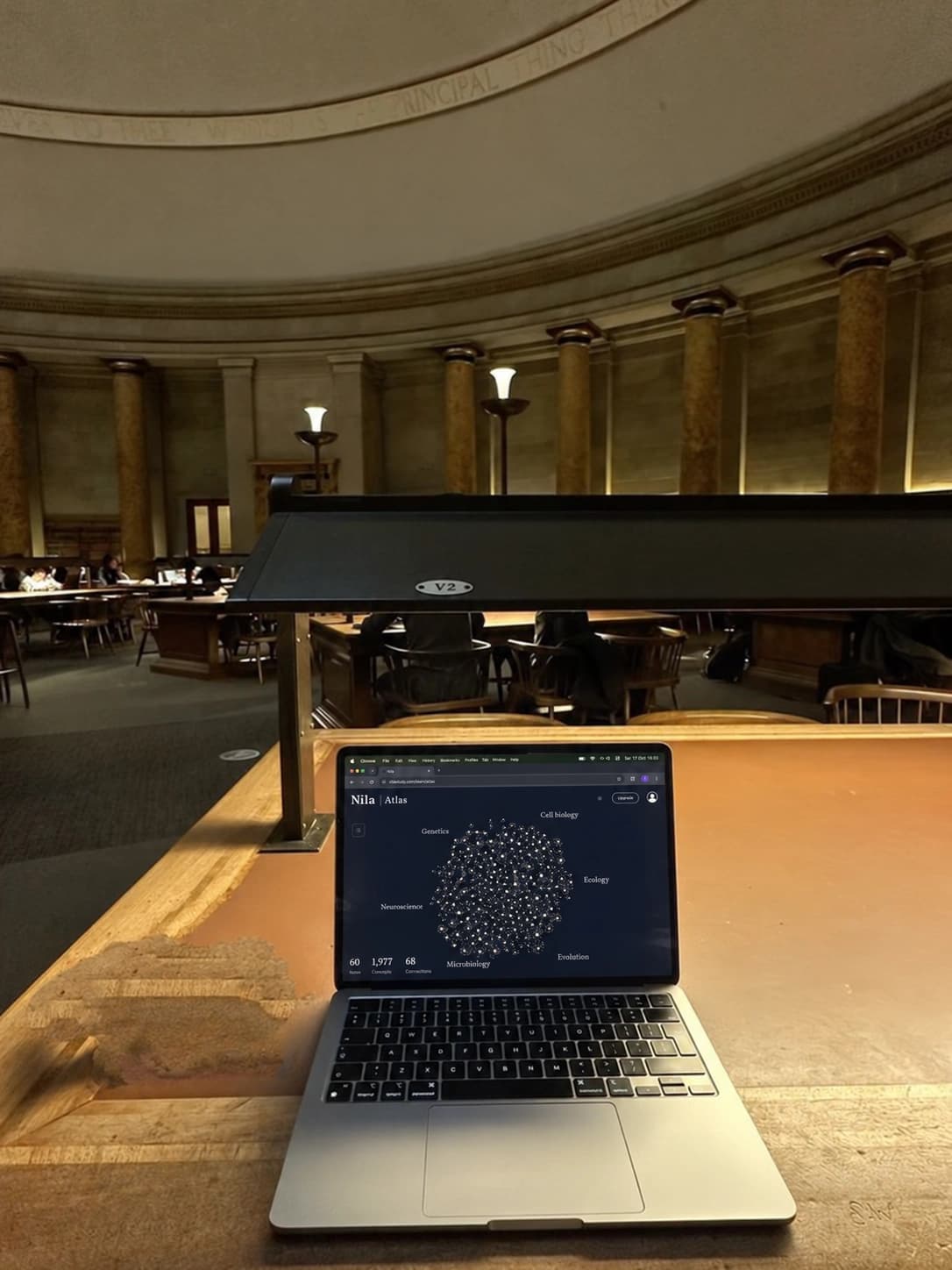
Every lecture joins one map across your courses. Discover how topics connect, and build a picture that grows with everything you learn
Explore AtlasA book chapter, lecture slides, your own notes, or a YouTube lecture. Start with what you’re studying
PDFs, slides, and notes
or
Most study tools hand you facts to memorize, one card at a time. Nila teaches the way understanding is actually built: see it clearly, connect it yourself, then use it on something new
Read
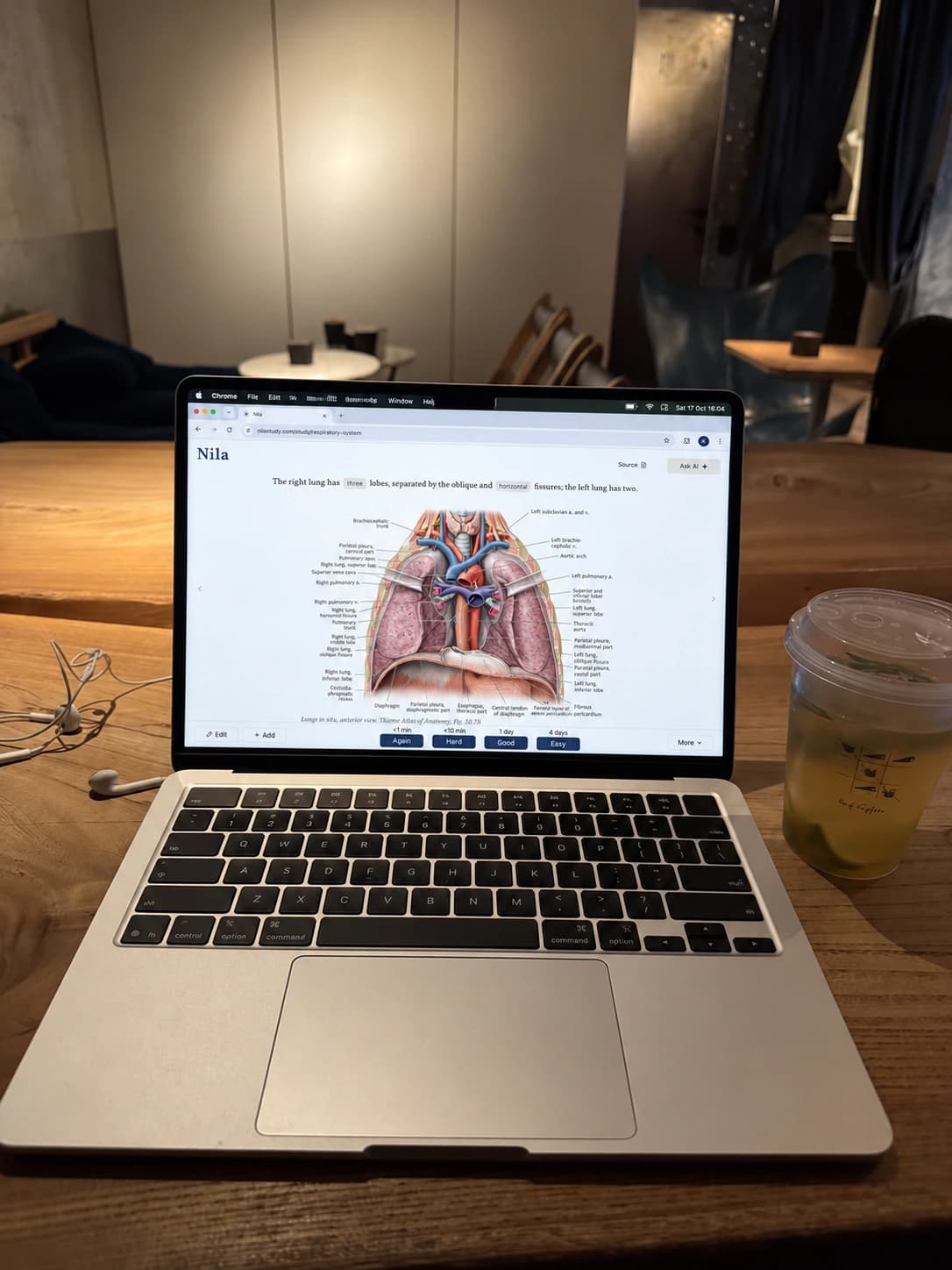
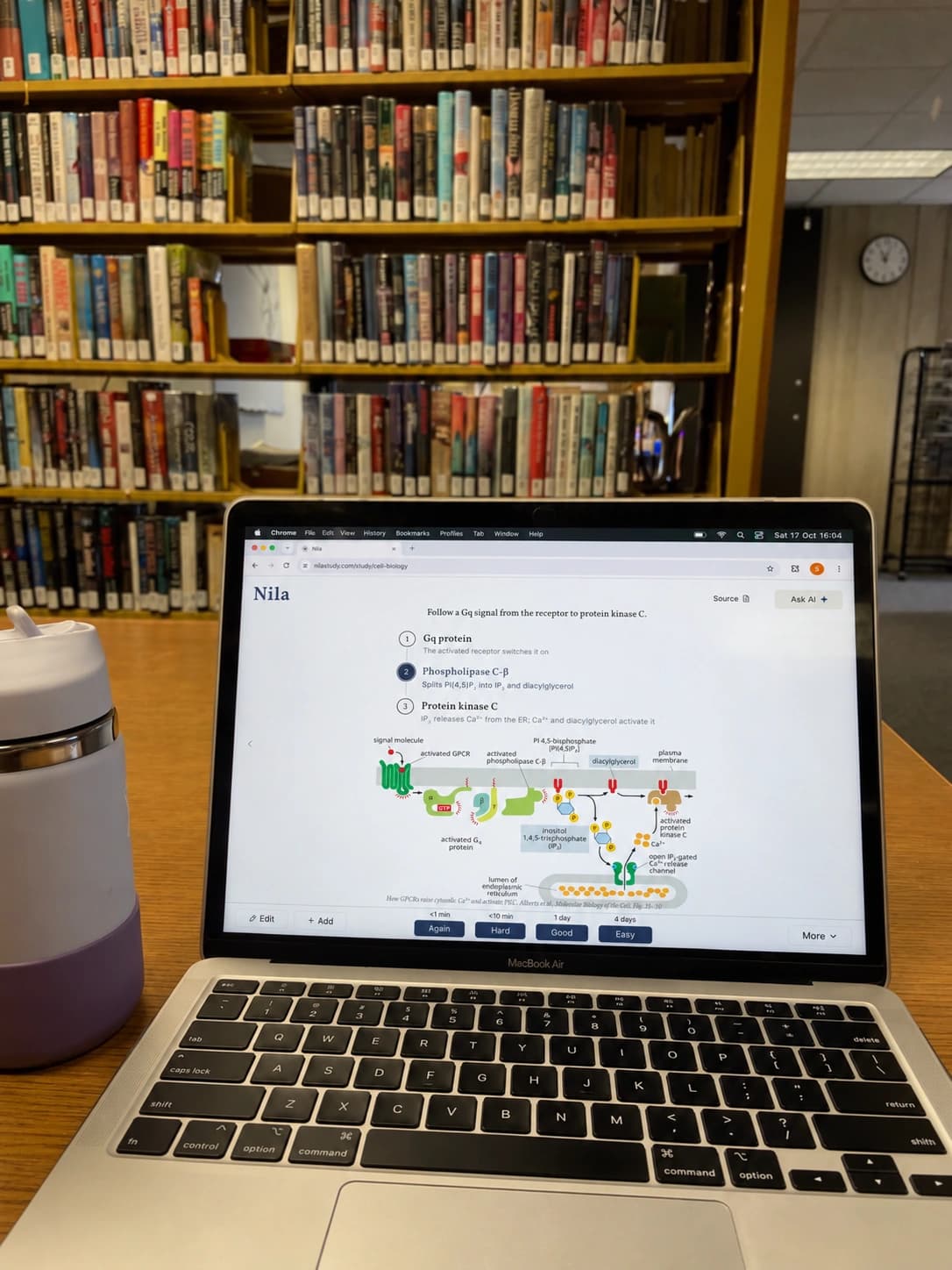
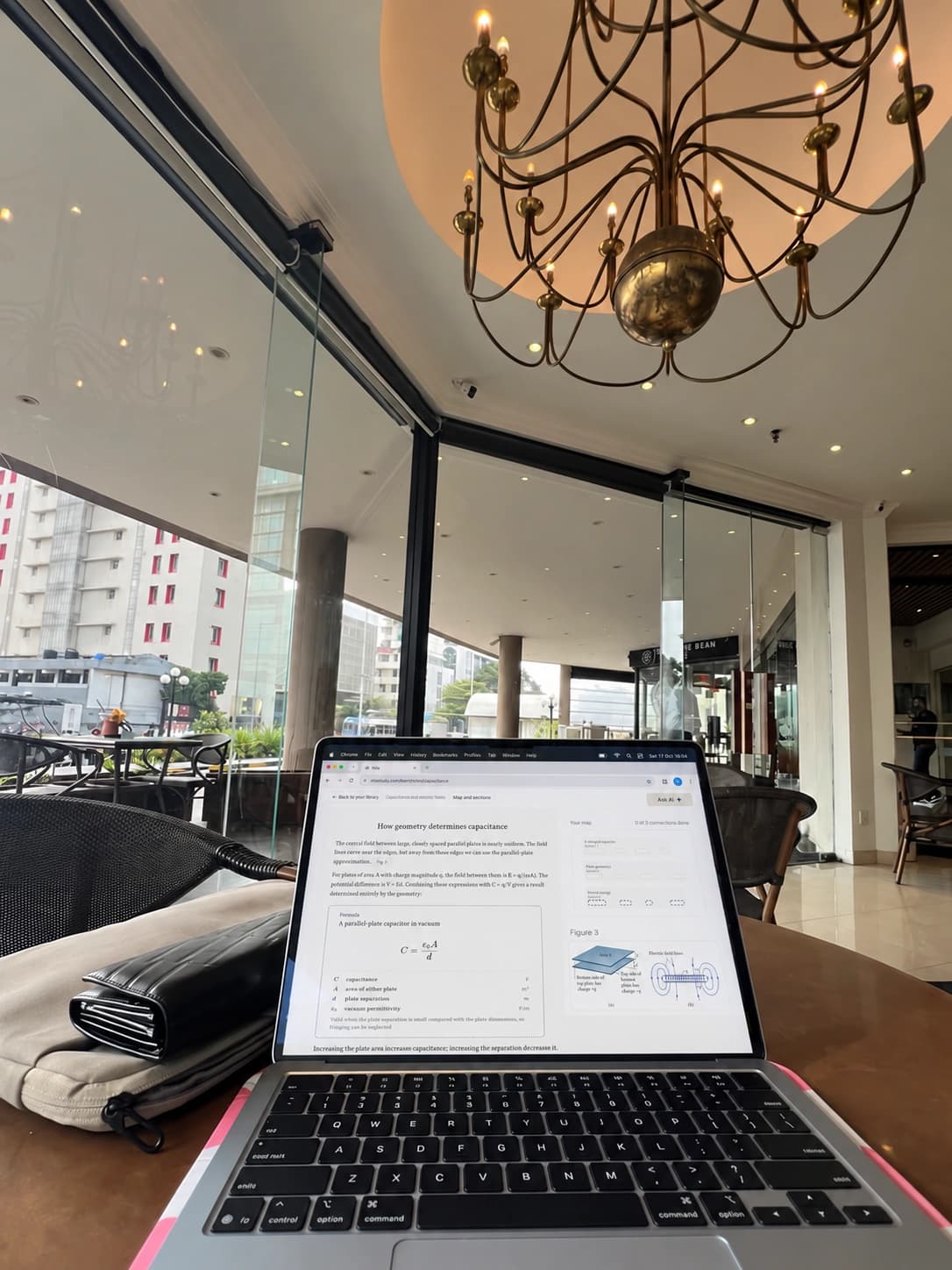
A process you can follow step by step, two ideas you might confuse side by side, a formula with every symbol explained, and your lecture’s own images, right where you need them
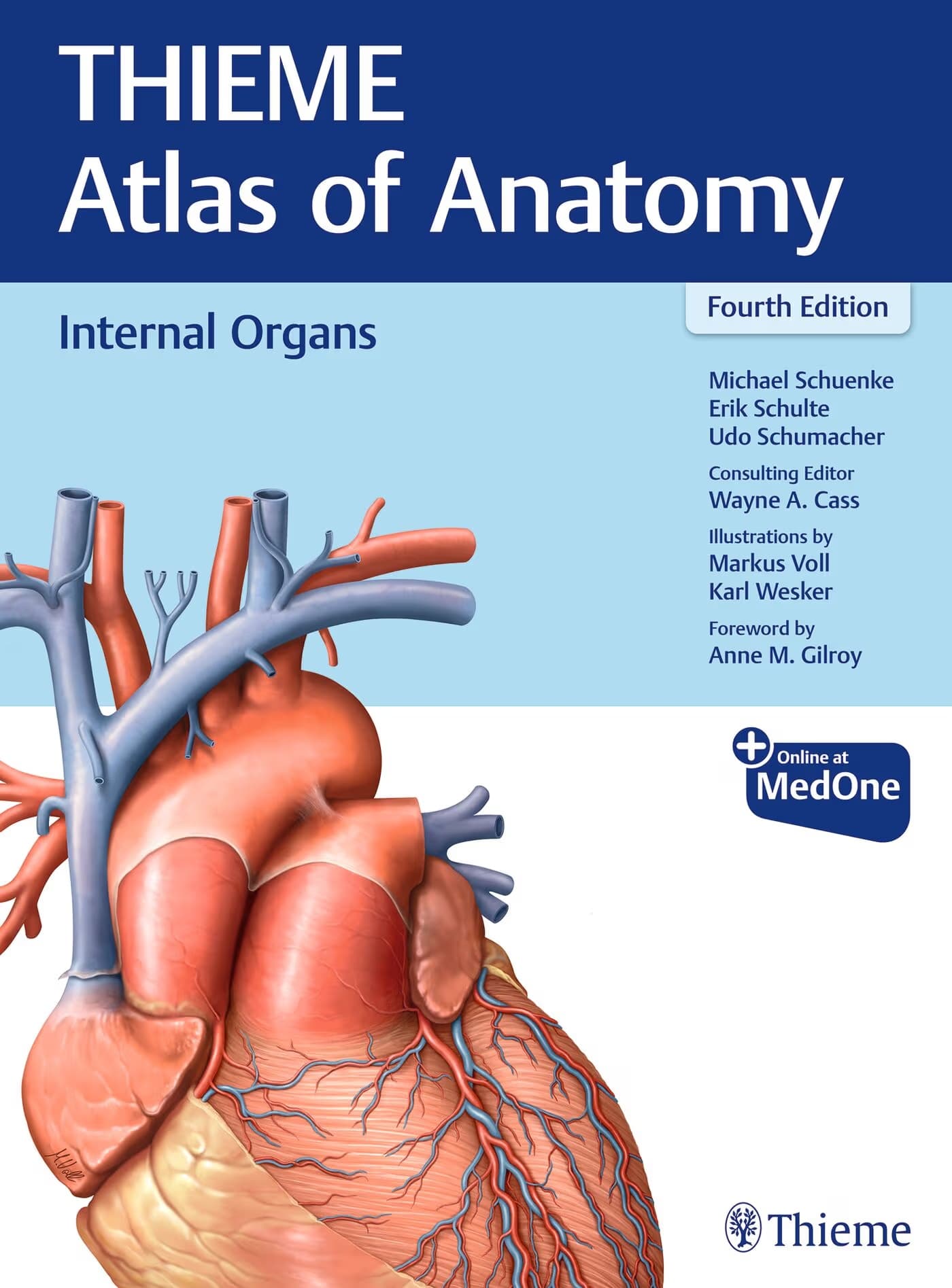
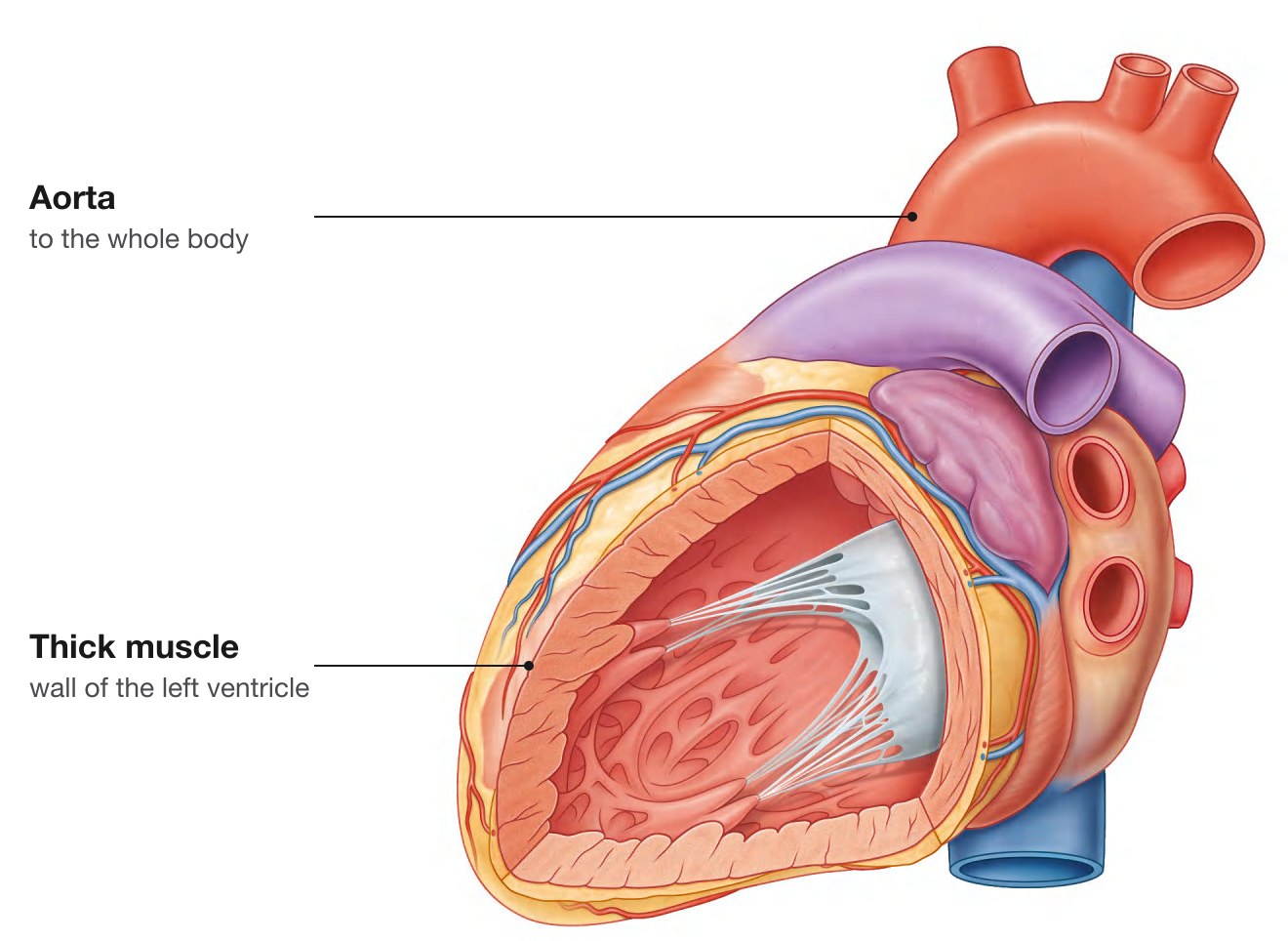
The heart is two pumps side by side. The right ventricle sends blood through the lungs; the left ventricle, with the thickest wall in the heart, drives it through the aorta to the rest of the body
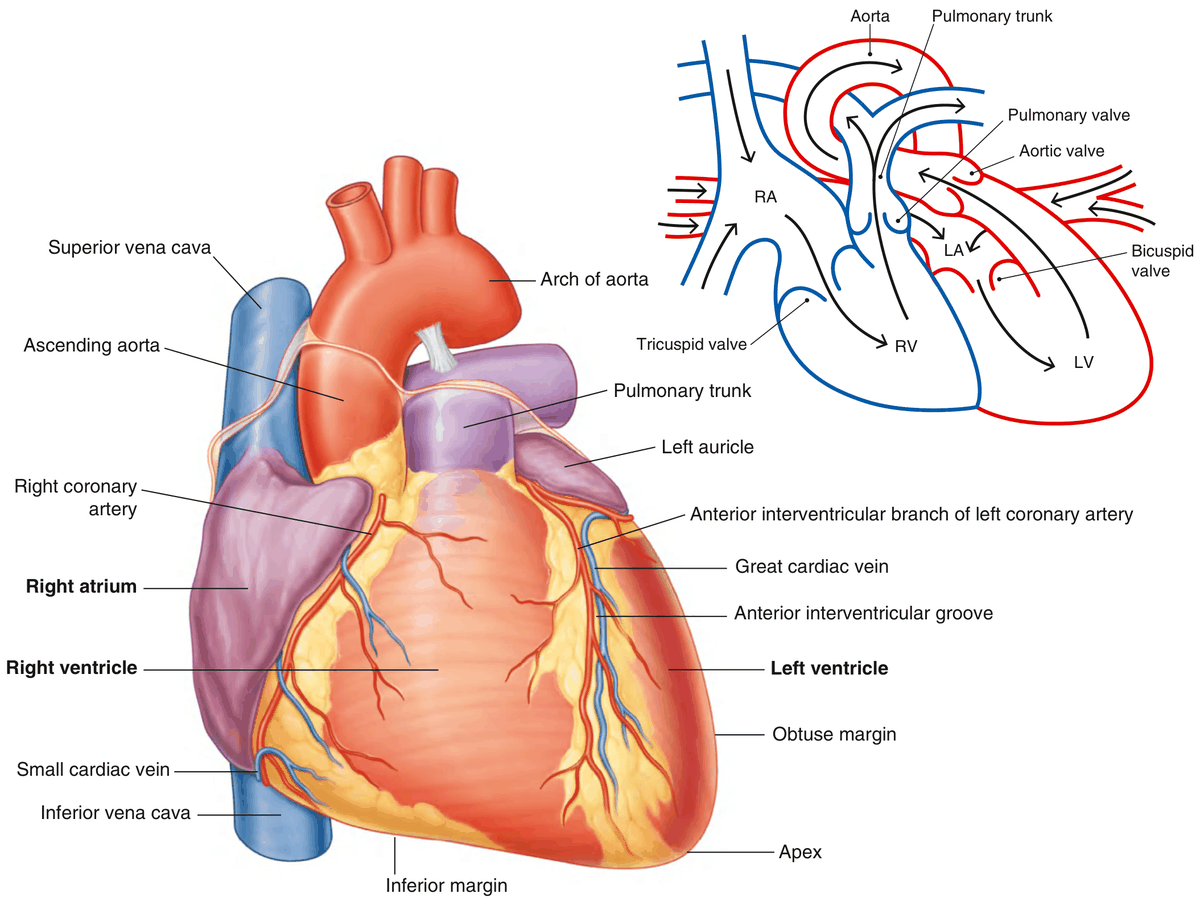
Heart failure means the heart can no longer pump enough blood for what the body needs, or can do so only at the cost of raised pressures inside it. It is not one disease but the end point of many: heart attacks, years of high blood pressure, faulty valves and diseases of the heart muscle itself can all lead there. Most often it is the left ventricle that fails
It can fail in two ways. In the first, the muscle contracts weakly, usually because a heart attack has killed part of it, and each beat empties too little of the ventricle. In the second, the muscle contracts well but has grown thick and stiff, most often after years of high blood pressure, and cannot relax enough to fill. Doctors tell the two apart by the ejection fraction, the share of the blood in the ventricle that each beat pushes out: 40% or less in the first kind, 50% or more in the second
Either way, the heart pumps less blood each minute. This cardiac output is the heart rate times the stroke volume, the blood pushed out by one beat: at rest about 70 beats of 70 mL each, roughly 5 litres a minute. When it falls, the body cannot tell a weak pump from a loss of blood, and it answers the way it would answer bleeding:
Each beat pushes out less blood, and blood pressure starts to drop
Pressure sensors in the arteries and the kidneys register less flow
The sympathetic system speeds the heart and tightens the arteries
Renin–angiotensin–aldosterone makes them keep salt and water
More blood fills the heart, which helps at first and later floods the lungs and legs
In the short term this keeps blood pressure up and the organs supplied. In the long term it makes things worse. A heart driven faster tires sooner, tightened arteries make it pump against more resistance, and the extra salt and water back up behind the weak ventricle. Fluid that leaks into the lungs is pulmonary edema, felt as breathlessness when lying flat; fluid that collects in the legs shows as swelling around the ankles
This is why so many of the drugs used in heart failure work by blocking the body’s own answer rather than by strengthening the heart: ACE inhibitors and aldosterone antagonists quiet the kidneys’ signal, beta blockers slow the heart, and diuretics remove the extra fluid
Connect
Beside the notes, a map of the whole lecture: every part, and how each one bears on the others. Knowing the facts is not the same as seeing how they connect. You fill in the key links as you read, and come away able to think with what you learned, not just repeat it
Fill the gap
Low kidney blood flow renin–angiotensin–aldosterone
Use it
Understanding shows when you can use an idea on a situation you haven’t seen before, the kind you’ll actually face: on the exam, on a placement, in your first job. Nila puts you in one, reads your answer and asks about the one thing missing. It never just hands you the answer
ScenarioTry 1 of 2
Mrs. Okafor’s heart rate
Your patient, Mrs. Okafor, 72, has heart failure after a heart attack: her ejection fraction is 30%. Her ankles are no longer swollen, but her heart still beats 105 times a minute at rest. You want to start a beta blocker, and her son objects: her heart is weak already, so why slow it down?
Do you start it? Pick one, then tell me why, step by step
Ideas you understand stay with you, and using them on situations you haven’t seen is one of the best-tested ways to make them stick. So there’s less to reread each week, and almost nothing to relearn before finals
“For the first time I can see the whole picture, so a new question doesn’t scare me. I know where it fits”
Turn what you learn into cards that help you recall it, use it, and come back to it over time
An ordinary card asks you to repeat a fact. A Nila card asks you to use it, and shows where it fits in what you’ve learned
An ordinary card
Which chamber of the heart has the thickest wall?
The left ventricle
A Nila card
Why does the left ventricle have the thickest wall in the heart?
It drives blood through the aorta to the whole body. The right ventricle only sends it through the lungs
Some things you simply have to remember, and Nila asks those too. But most cards put a fact back in its place: steps in order, two things side by side, a quiz that asks why. So you review the topic as a whole, not a pile of separate facts
1 / 8
Trace blood through the heart's own circulation
Aortic sinuses
The coronary arteries open just above the aortic valve
Cardiac veins
Collect it from the heart muscle
Coronary sinus
Drains it into the right atrium
“I learned to use the ideas, not just memorize answers”
What sets experts apart isn’t how many facts they know. It’s how those facts fit together in their head. The Atlas builds that for you. Every lecture you study joins one map, across all your courses. Where two topics meet, Nila draws a dotted line and asks how they connect. Answer it, and the line turns solid
Week 1
Understand it in Learn. Keep it with Cards. Connect it in Atlas
Learn and Atlas
The map you build in Learn is the same map in your Atlas
A new connection in your Atlas

“I spend less time studying because I’m no longer rereading the same pages. I understand things the first time, and they stay with me”
Upload one lecture and read it as notes with a map of how its ideas connect